
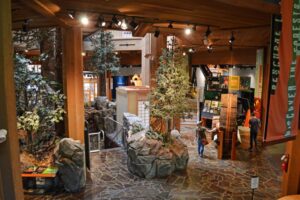
David Douglas Room
A bright, sun-filled space with abundant natural light, perfect for small workshops, intimate meetings, lunch events, or creative working sessions.
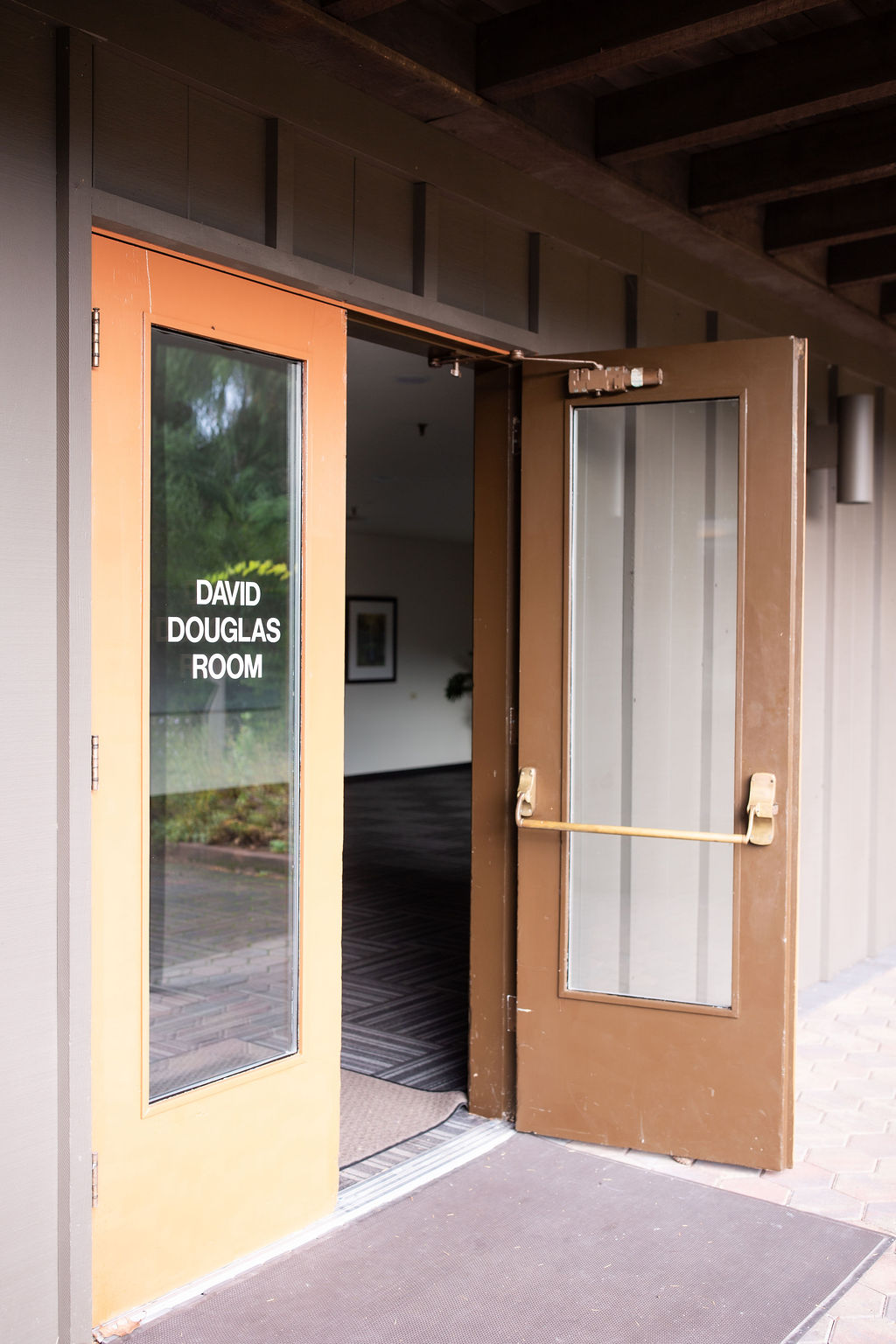
Just the right size for your gathering!
The David Douglas Room offers a bright, flexible space that works well for classroom-style workshops, board meetings, or casual lunch events during the week or as an add-on to Miller Hall on the weekends for extra prep or lounge space.
Amenities include a private restroom, a small kitchenette for refreshments, and access to a patio for fresh-air breaks.
Learn more about:
About the Space
Occupancy
Banquet
24
Classroom
24
Theater
24
Reception
24
What is included?
-
Bright, sun-filled room with small kitchenette (no stove)
-
Flexible layout for classroom, meeting, or lounge setups
-
Private restroom
-
Access to patio; can be combined with Miller Hall for extra space
-
Tables, chairs, and Wi-Fi included

Ceiling Height
9'
Square Footage
1,365
A/V Capabilities
- Projector & screen
- Dry-erase board
- Portable sound system available
Inquire today about David Douglas Room
Plan your next small gathering, workshop, or intimate celebration in the bright and versatile David Douglas Room. Schedule a tour by filling out the form below, and our team will guide you through every detail—from setup and layout to amenities—so your event is seamless and memorable.

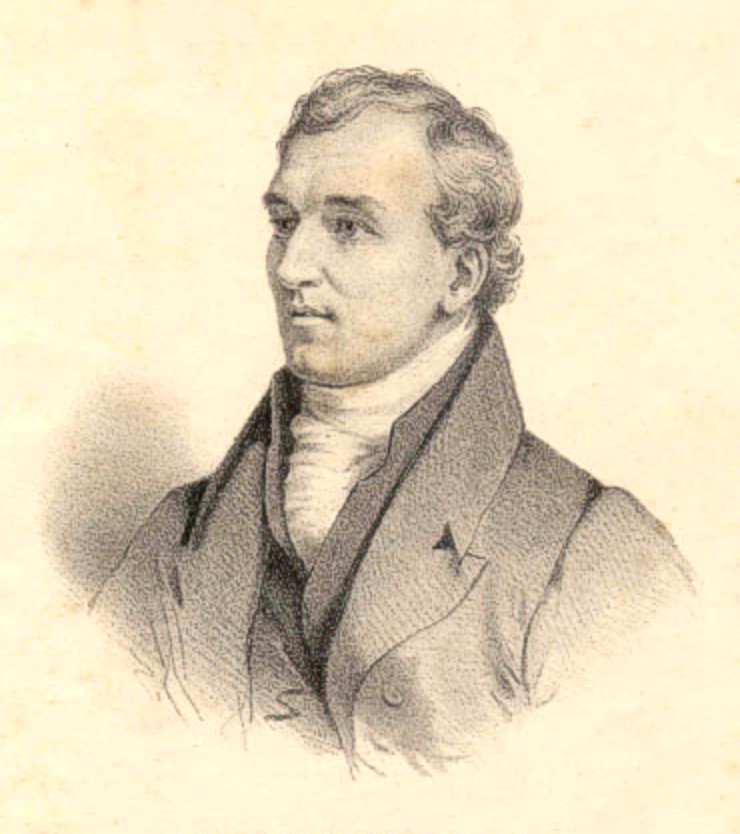
Who was David Douglas?
David Douglas was a Scottish botanist born on June 25, 1799, in Scone, Perthshire, the son of a stonemason and his wife. He began his career working as a gardener and apprentice before studying botany at the University of Glasgow under the mentorship of William Jackson Hooker, who helped secure his appointment with the Royal Horticultural Society.
From 1823 onward, Douglas made several major botanical expeditions, traveling extensively through eastern North America, the Pacific Northwest, California, and Hawaii. During these journeys he collected and introduced hundreds of plant species to Europe, including the tree that bears his name, the Douglas fir, along with numerous other conifers and ornamental plants that became important in horticulture.
Douglas died on July 12, 1834, on the slopes of Mauna Kea in Hawaii at the age of 35 under mysterious circumstances after falling into a pit trap where he was mauled by a bull. His legacy lives on in the many species named for him and in the lasting impact of his contributions to botany and plant exploration.