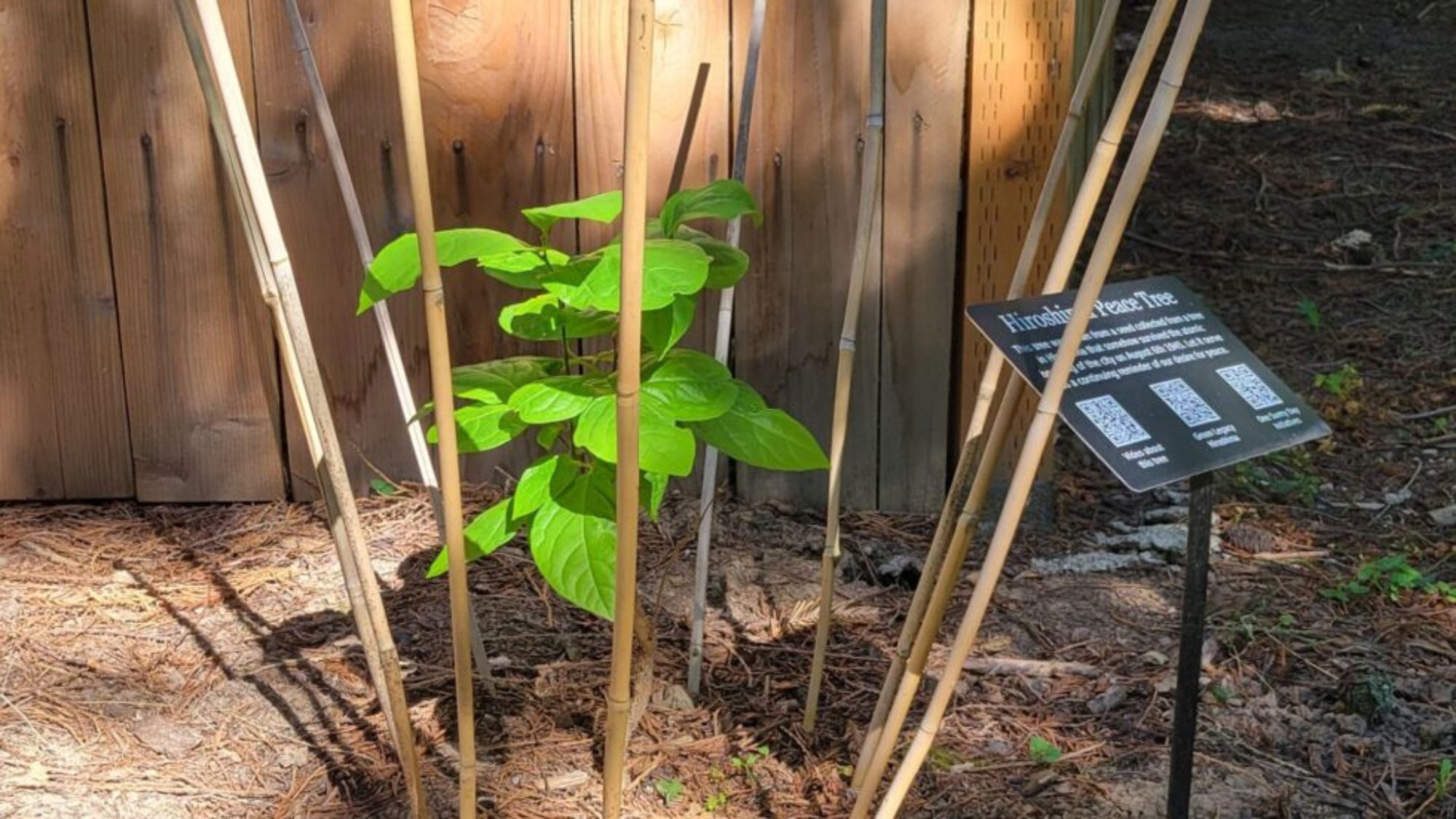
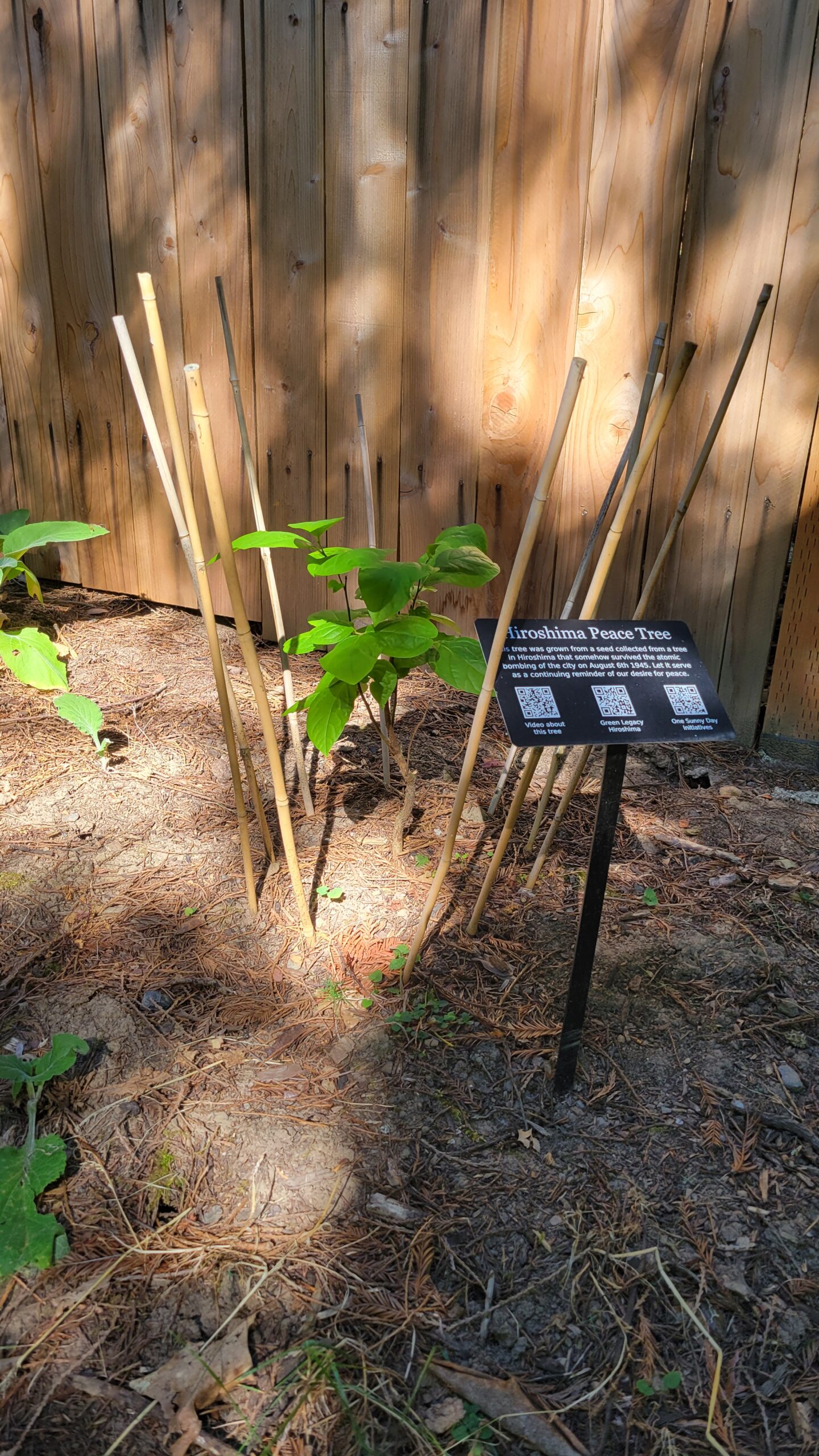
On August 6th, we pause to remember the anniversary of the atomic bombing of Hiroshima in 1945—a moment that forever changed the world. Here at World Forestry Center, a special living monument on our campus connects us deeply to that history and the enduring hope for peace: the Green Legacy Hiroshima Peace Tree.
This persimmon tree is not just any tree—it grew from seeds of Hibaku-jumoku, the “survivor trees” that withstood the devastation of Hiroshima’s atomic bombing. These trees became powerful symbols of resilience, hope, and the possibility of renewal even after unspeakable tragedy.
How the Peace Tree Came to Oregon
Thanks to a partnership with Green Legacy Hiroshima, seeds from these survivor trees were collected and shared worldwide. In Oregon, Oregon Community Trees, the Oregon Department of Forestry, and One Sunny Day Initiatives joined forces to bring these precious seeds to our state. Oregon now holds the densest concentration of Hiroshima Peace Trees outside Japan, including young ginkgos, persimmons, camphors, and camellias.
World Forestry Center’s peace tree is one of over 55 planted in more than 35 communities across Oregon—and one of three in Portland alone.
Planting for Peace and Remembrance
Between 2019 and 2024, these trees were planted throughout Oregon to honor the 75th anniversary of the end of World War II. Each planting was a community event marked by poetry, music, and speeches celebrating peace and reconciliation. World Forestry Center was honored to host one of these significant ceremonies.
Why This Tree Matters
This persimmon peace tree stands as a living bridge between Hiroshima and Oregon. It reminds us of our shared humanity, the fragility of life, and the enduring power of peace. More than a tree, it is a message—a call to remember the past while nurturing hope for the future.
Visiting the Peace Tree
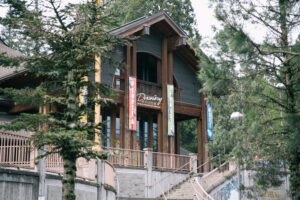
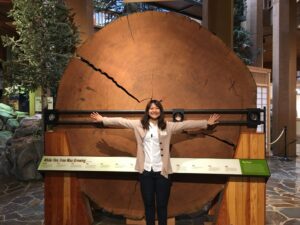
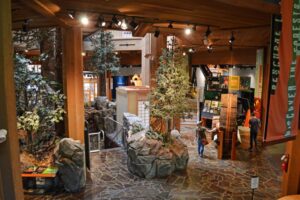
The grounds are open to the public, and the peace tree can be found near the giant sequoia standing tall to the right of the Discovery Museum. It’s a sweet persimmon tree with a powerful story. Standing beside this peace tree, you are close to a living message from Hiroshima—sent across thousands of miles to remind us of survival, perseverance, and the urgent need for peace in our world.
Our Discovery Museum is open Tuesday through Sunday, 10 a.m. to 4 p.m. (closed Mondays). Admission is $10 for adults, $9 for seniors, and $5 for kids, with free entry for children under 3 and veterans.
Our campus is easily accessible by MAX Light Rail (Washington Park stop) and park shuttle.
Related Posts
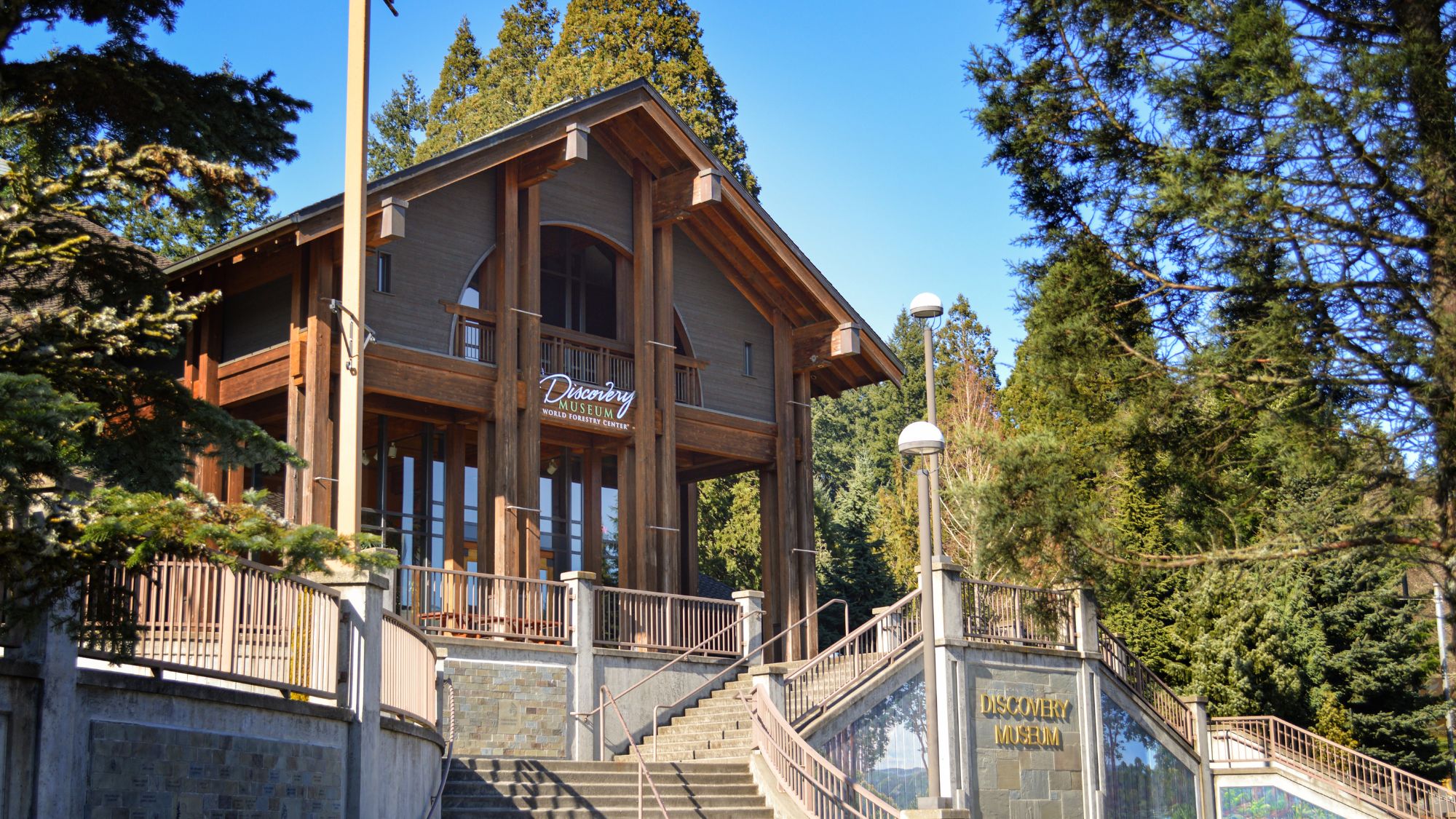
$2 Million Metro Grant to Revitalize Community Plaza on Campus
World Forestry Center has been awarded a $2 million grant through Metro’s Nature in Neighborhoods program to transform a highly paved arrival area into a restored, accessible, and community-centered space on World Forestry Center’s Washington Park campus located in...
Evergreen Spring ’26
Read the latest issue of our Evergreen magazine.