

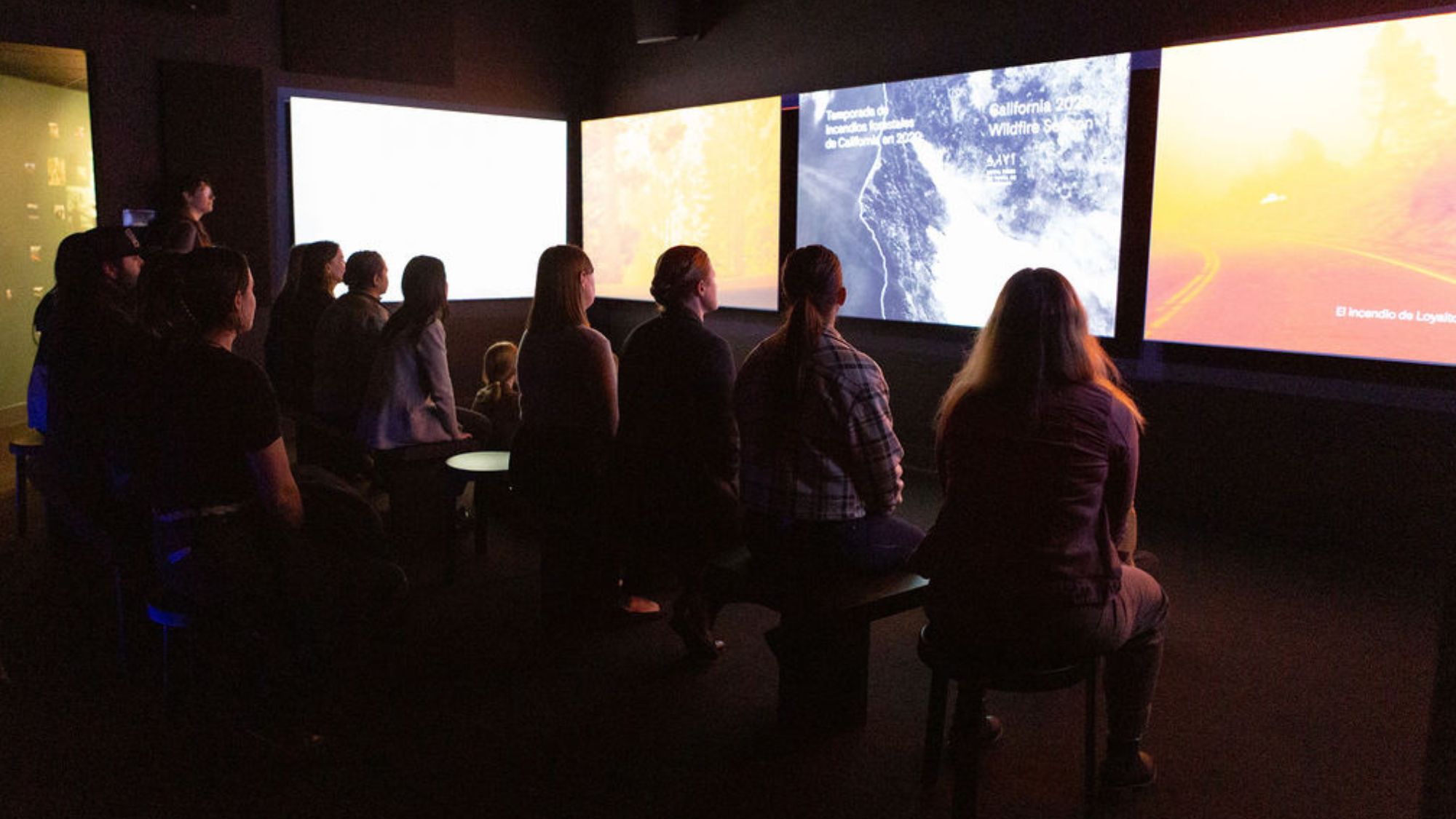
Wildfire | Climate | Forests is our new permanent experience and included with museum admission.
New Permanent Immersive Experience
NOW OPEN
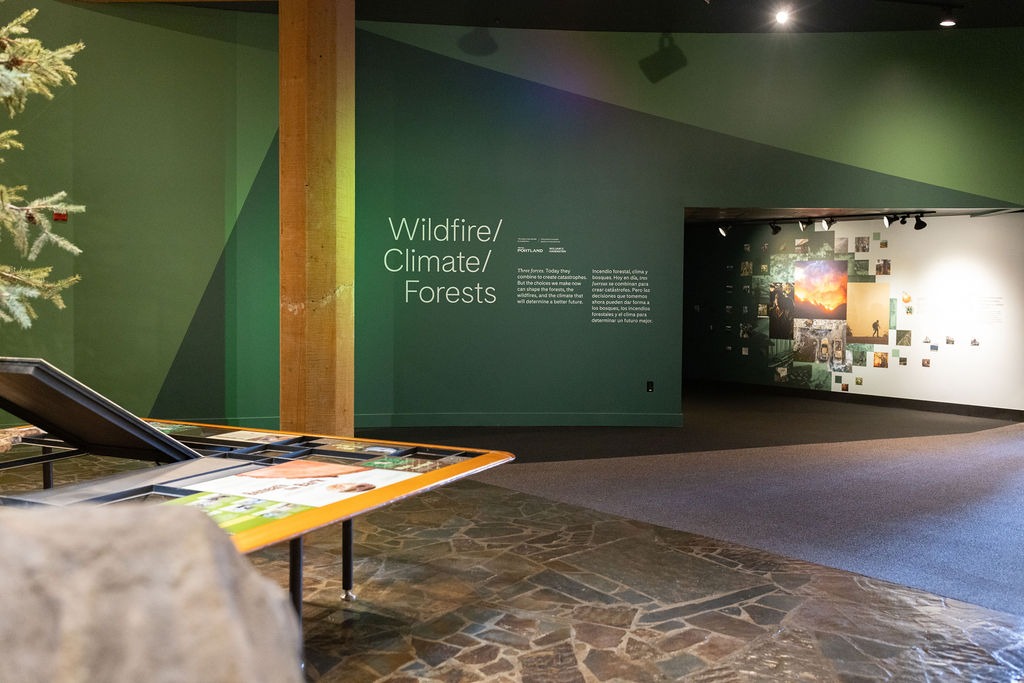
We are excited open our first permanent exhibition in 20 years: an immersive new installation that transforms our renovated theater into a powerful journey through wildfire, climate, and forests.
The exhibition combines evocative media, storytelling, and interactive spaces to explore one of the most urgent issues of our time: how forests, climate change, and catastrophic wildfire are deeply connected—and what choices we can make today to shape a better future.
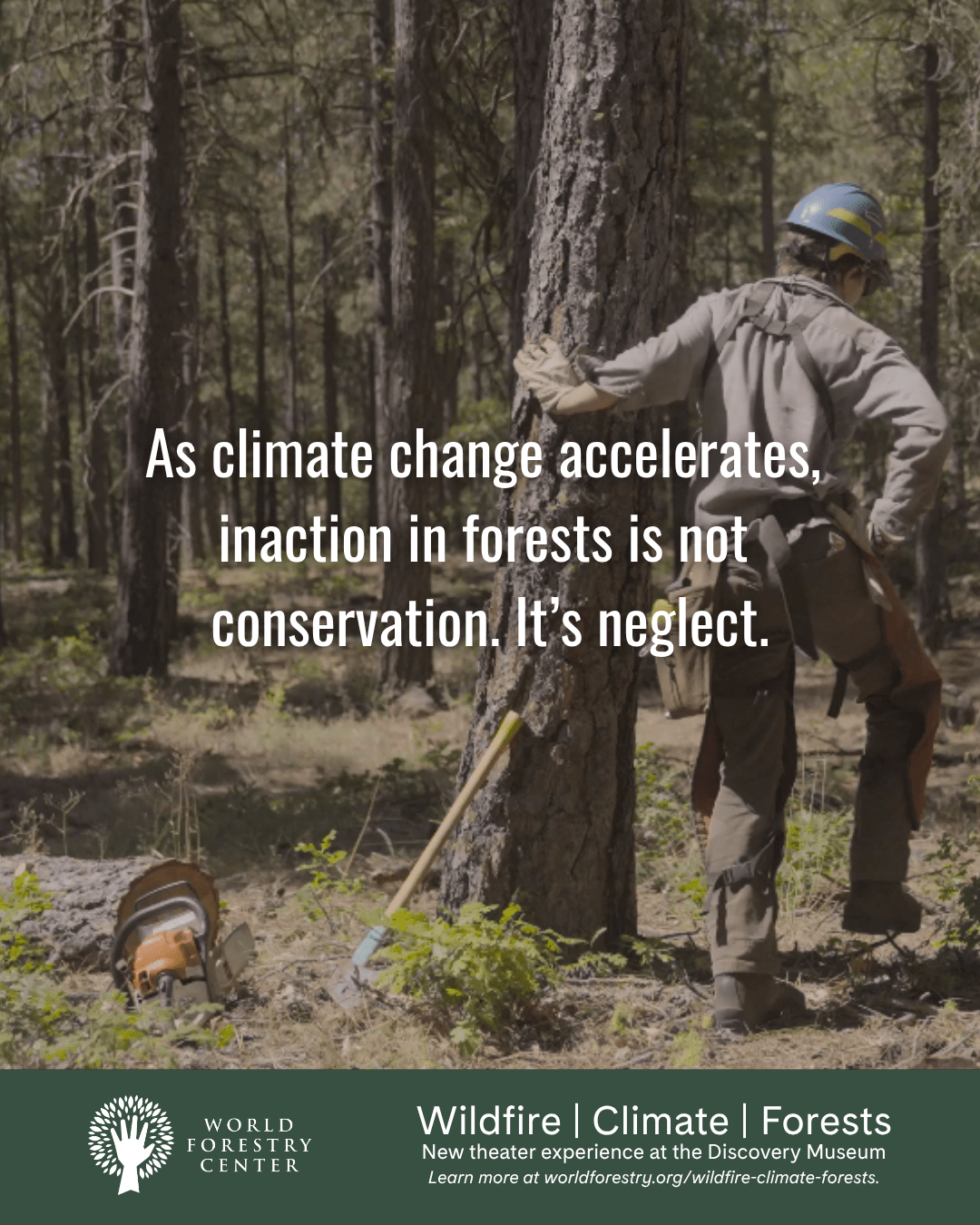
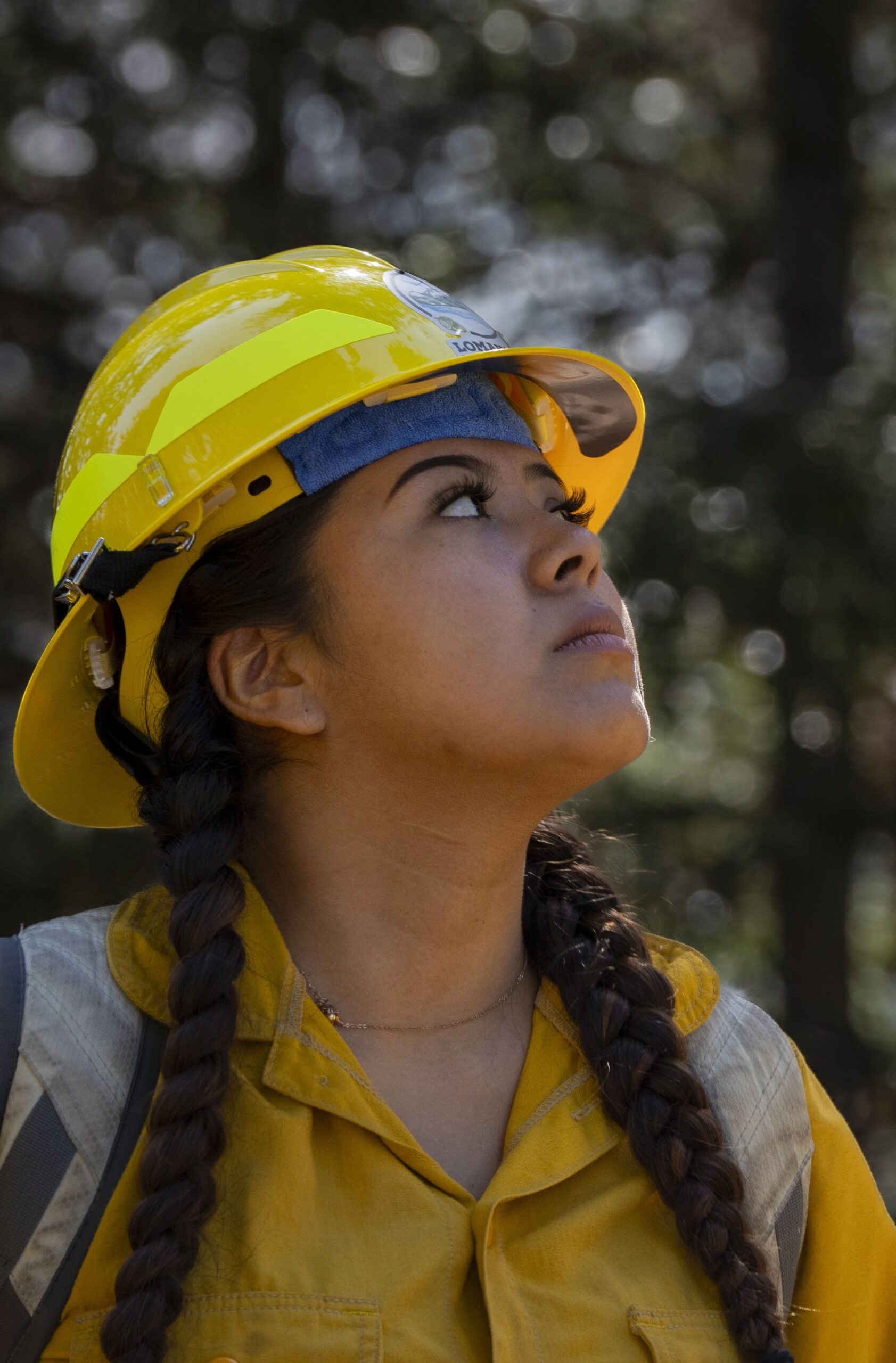
What to Expect
Through three rotating 7-minute films, visitors will explore the cyclical relationship between Wildfire, Climate, and Forests. Featuring captivating stories and backed by research, visitors will learn the importance of supporting forest management as a key lever in wildfire mitigation and climate change adaptation. Finally, visitors will leave with steps on how to take action for the sake of our forests and our society.
The Choices we make today…
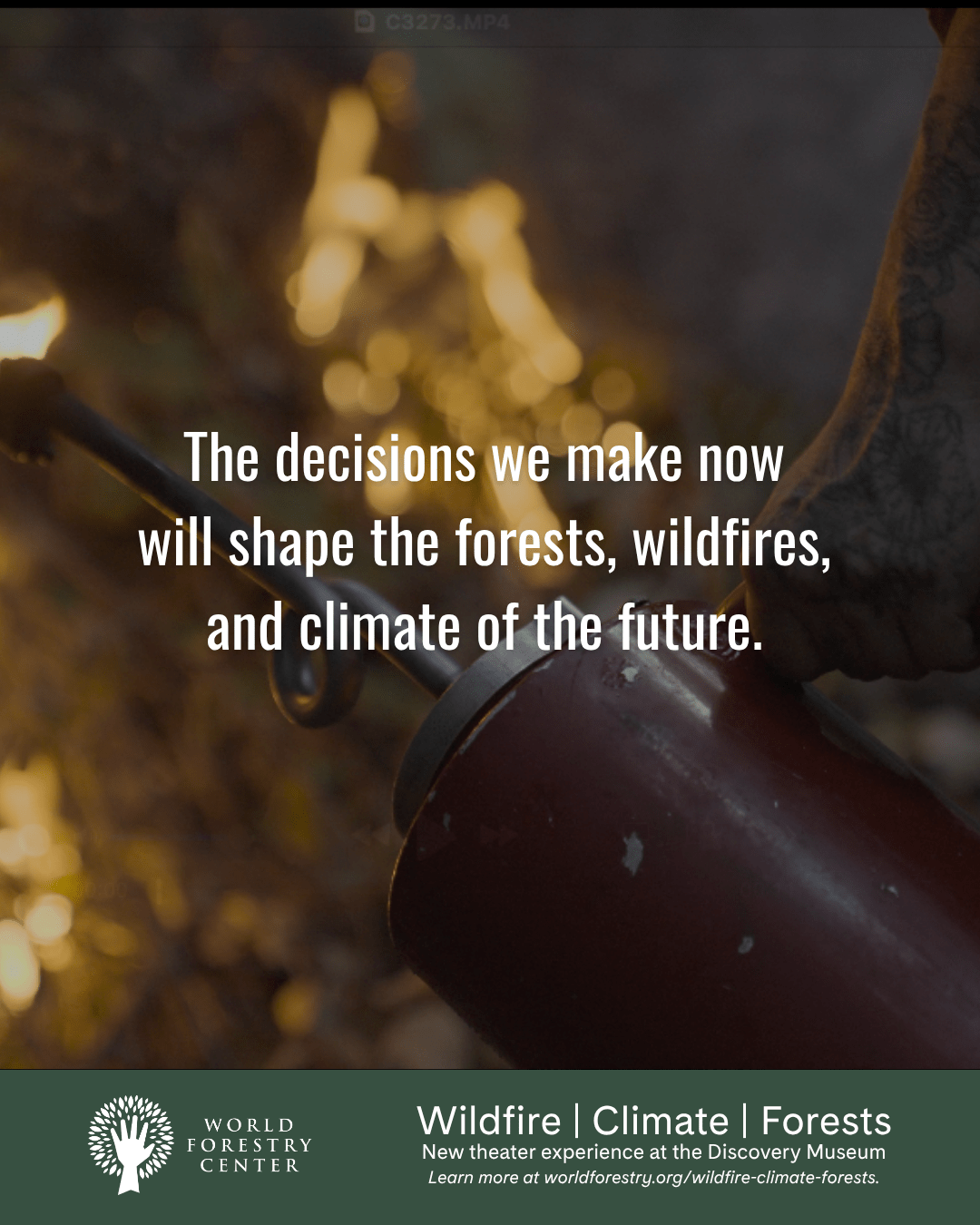
The decisions we make now will shape the forests, wildfires, and climate of the future. Today, megafires are growing more intense, fueled by rising temperatures and stressed forests. But with smart stewardship, forests can be part of the solution—absorbing carbon, reducing fire risk, and protecting communities.
You don’t need to be a forestry professional to take action. You just need to be open to seeing things in a new way.
Wildfire, climate, and forests are each on their own incredibly complex subjects, and more complex in how they interact with each other.
Here are five shifts in thinking—and the actions that go with them—that can help move us toward healthier forests and resilient communities:
-
- Management is a form of care. Active management means taking informed actions—like thinning, prescribed burning, and replanting—to help forests and society adapt to present and future environmental conditions.
- Fire belongs here. Not all fire is bad. Many forests have long depended on it. It’s the extreme, high-intensity fires that cause harm.
- This is everyone’s job. Forest management isn’t just a government or science issue; it is a collective responsibility. Progress depends on strong partnerships between public agencies, private landowners, tribes, industry, and everyday people.
- Climate careers are the future. Today’s forest workers are climate problem solvers. They learn how to use science, technology, and Indigenous knowledge to build a better future.
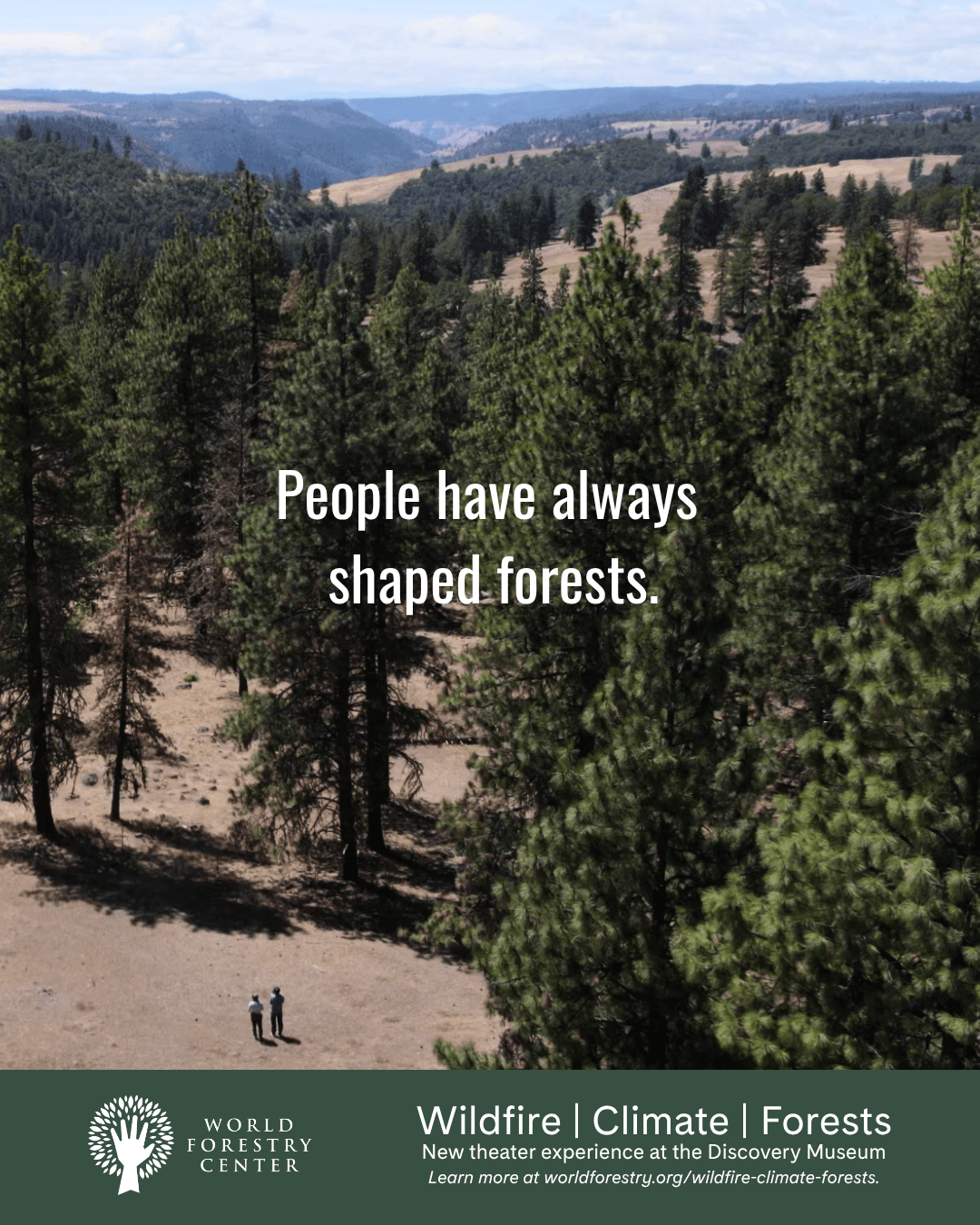
- Resilience is intentional. What we think of as natural is often the result of human decisions. The goal isn’t to return to the past but to act intentionally, using knowledge and care to help shape forests that can survive, adapt, and thrive under new conditions
| This project was made possible by funding from Travel Portland. |
Related Posts
2026 Free Day Series at the Discovery Museum
Six Free Days for 60 Years To mark our 60th anniversary, World Forestry Center is launching a special Free Day Series in 2026, offering six free community days throughout the year as a way of thanking the public for six decades of support and engagement. This series…
Forest Hope Through Innovation
On View at the Discovery Museum March 1 – August 2, 2026 Included with museum admission. Forest Hope Through Innovation is an interdisciplinary art-forest-science exhibition at World Forestry Center’s Discovery Museum that explores how creativity, research, and…