
Pop-Up Exhibition
July 18 - August 31, 2026 | 10am-4pm
Included with Museum Admission
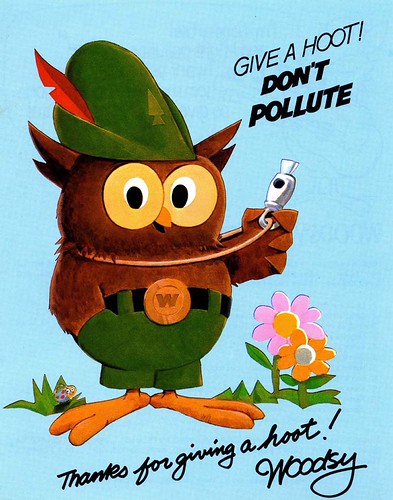
Debuting in 1971, Woodsy Owl became a national voice for environmental care, encouraging generations to “Give a Hoot—Don’t Pollute.”
Created by the U.S. Forest Service at a pivotal moment in environmental awareness, Woodsy helped bring the idea of caring for forests and public lands into everyday life.
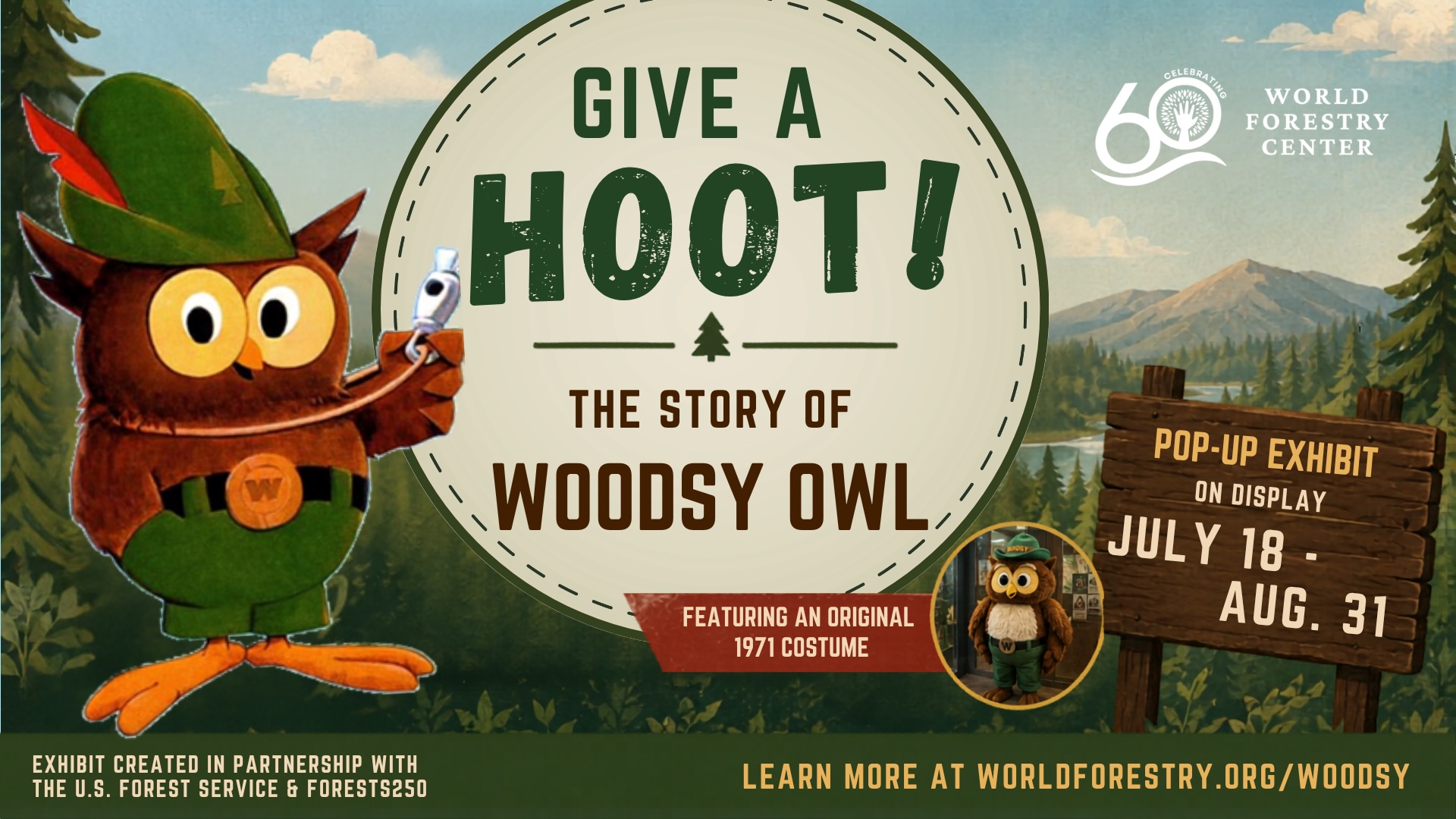
This pop-up exhibit explores the story and legacy of this beloved icon and features the original 1971 Woodsy Owl costume, a rare artifact from the early days of environmental education in America.
The story of Woodsy highlights the enduring power of education, storytelling, and public engagement to shape how we understand and care for the natural world.
From Forest Symbol to Cultural Icon
Woodsy quickly became a familiar face across the country, appearing in classrooms, public service campaigns, and outdoor spaces. By the mid-1970s, he was recognized in a majority of U.S. households.
At his core, Woodsy represents something bigger than a slogan. Forests provide clean water, wildlife habitat, climate regulation, and places for people to connect, explore, and reflect.
Woodsy’s role has always been to make those big ideas feel personal and actionable.
A Changing Message for a Changing World
As conversations about forests evolved, so did Woodsy.
In the 1990s, national attention turned to old-growth forests and the protection of the northern spotted owl. During this time, Woodsy’s image sometimes appeared within broader conversations about forest conservation, reflecting how public symbols can take on new meaning in moments of change.
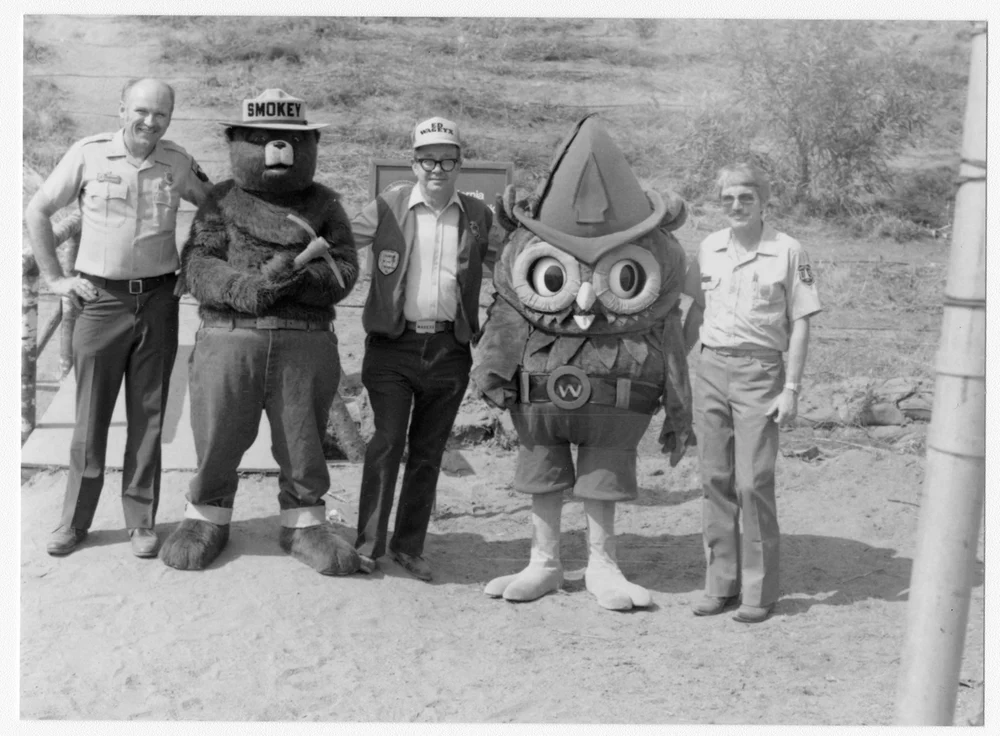
Rather than retire the character, the U.S. Forest Service chose to update him for a new generation. In partnership with Children’s Television Workshop, Woodsy was redesigned and reintroduced in 1997 with a more active look and an expanded message: “Lend a Hand, Care for the Land.”
Today, Woodsy Owl is more than a slogan, he’s part of a broader environmental education effort that encourages people of all ages to care for forests and public lands.
His message is simple: caring for forests isn’t abstract. It’s something we practice every day, through the choices we make at home, in our communities, and when we spend time outdoors.
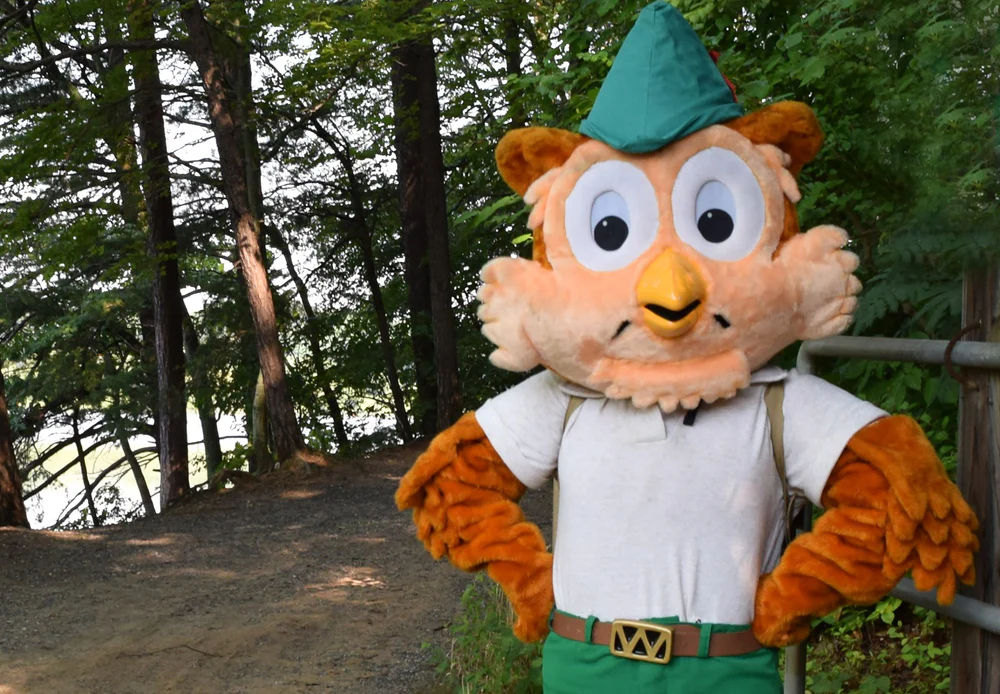
Woodsy's 4 R's
Reduce: Buy only what you need and use what you have.
Reuse: Repurpose everyday materials like bags, egg cartons, or fabric.
Recycle: Utilize your local recycling program for glass, plastic, and cans.
Rot: Compost food scraps like fruit and vegetables.
We appreciate our partnership with the United States Forest Service in helping to produce this exhibit.
Related Posts
A Story of Growth: From Forest to Fiber
To mark its 60th anniversary, World Forestry Center presents A Story of Growth, a pop-up exhibit exploring the journey from forest to fiber through a limited-edition blanket created in partnership with Pendleton Woolen Mills and Portland-based artist and architect...
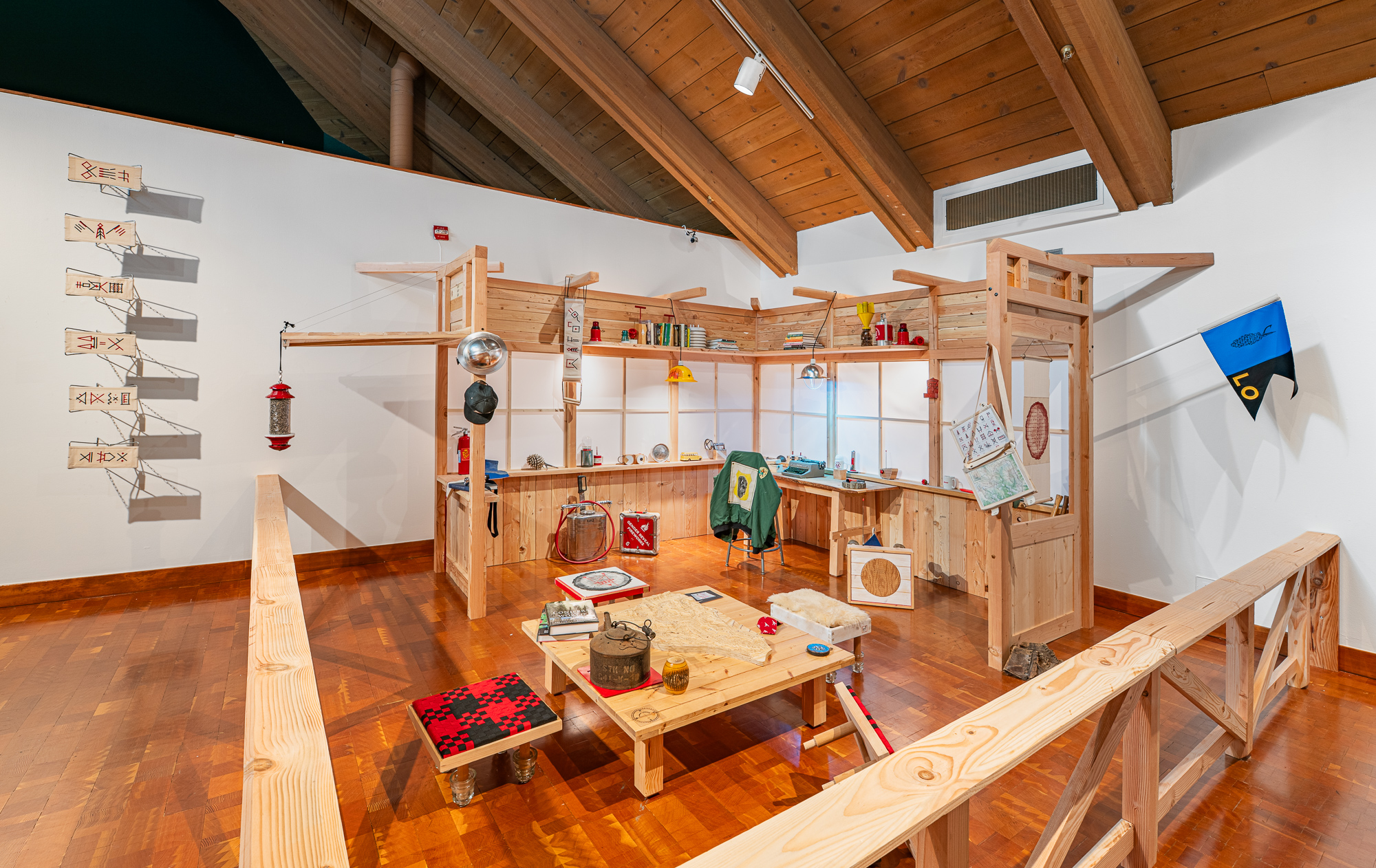
Lookout Landscape
On Display at the Discovery Museum: Lookout Landscape blends humor, visual art and landscape design to discuss complex environmental issues. This colorful art exhibition utilizes the iconic lookout tower, trail culture, and backcountry gear as a means to explore the...