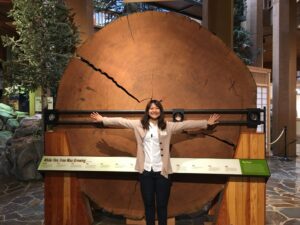
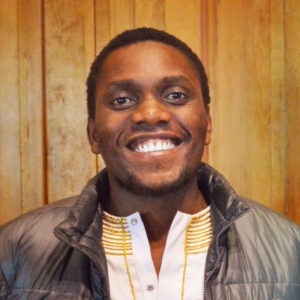
It feels like only yesterday that we used to rock around Portland. We boarded the Max, every colored line, without fear or restrictions, enjoying the ride with smiles and uncovered faces. I was free to enjoy theater performances, soccer matches, afro dance classes, music shows, and other public events across the U.S. I even half achieved my childhood dream of visiting Chicago and taking a selfie next to the Michael Jordan statue. I made it to Chicago but learned the statue had been moved inside the stadium; my selfie dream remains a dream. My stay in Portland made me change my allegiance from the Chicago Bulls to the Portland Trail Blazers, though, so maybe someday I’ll be taking a selfie with Damian Lillard!
Fast forward to the present day– things are at a standstill and we’ve lost the privileges to network and socialize. Everybody understands why we’ve had to give them up; we just hope that things will get back to normal soon.
When I’m asked to share a story about Portland, I find it difficult to choose one: my memory disk is overflowing. I fondly remember so many moments we Fellows shared as a group, and some nights, I even dream about the World Forestry Center community.
Sometimes, I dream about walking into the office and seeing Jamie, seated at her desk, smiling beautifully at me in a way that meant, “You are late.” Once, my wife woke me up to ask, “Who is Rudolfo? You were talking in your sleep, asking him something about eco co!” I also have wonderful memories of the museum staff and everyone else—too many to recount each one. I miss the hugs from Brazil, the loud laughter from China, and the snack box. I confess I miss the snack box the most, so much that I made a version here at home for myself. I call it “Power Bank.”
By that measure, I rate the year poorly—I wanted to plant more trees.
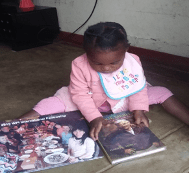
Richard’s daughter with some “treasures” from his time in Portland.
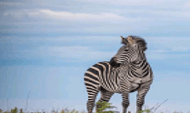
Photo of a Zebra at Nyika National park.
After leaving Portland, I returned to the warm heart of Africa: Malawi. I adjusted quickly to avoid prolonged culture shock. I wanted to start utilizing the skills and connections I had acquired in the U.S. right away. In the beginning, things went well, and I soon negotiated with the Viphya Plantation to preserve 1000 hectares of land. Currently, progress is halted due to general inactivity caused by the pandemic, but I am hopeful that my team and I will strengthen this partnership and complete our plan of establishing Eucalyptus and Pinus plantations. Upon arriving home, I was also hired by Pyxus Agriculture to manage 30 hectares as part of a reforestation campaign to plant eucalyptus. Since 2015, this is the only time I’ve supervised the planting of less than 50 hectares. By that measure, I rate the year poorly—I wanted to plant more trees.
My career as a forester will never be the same again.
Aside from work, I am loving my role as a family man. In Portland, I lived like a bachelor, but now I enjoy spending most of my time playing with my daughter and cooking some of the recipes I missed. My daughter was only three days old when I left Malawi, so I confess I didn’t feel her absence while I was in Portland. Now, though, I can’t imagine leaving her for six months; she is my best friend. I have also opened up a small livestock farm, where I hope to keep goats, chicken, pigs, and cattle so that if one of you visits Malawi, we will have enough meat for the feast.
When the world returns to normal, I will refocus on establishing the plantation that will employ youth and women, conserve biodiversity and boost Malawi’s economy.
I appreciate the efforts of Harry Merlo Jr., Shadia Duery, Janet, my host, and all the individuals and organizations that support the Fellowship program. As a Fellow, I met so many friends of Malawi who gave me a family away from home. The program transformed me, allowing me to have a better understanding of global forestry and networking. My career as a forester will never be the same again.
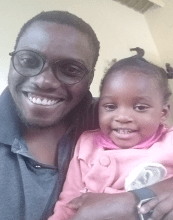
Richard with his daughter.
Related Posts
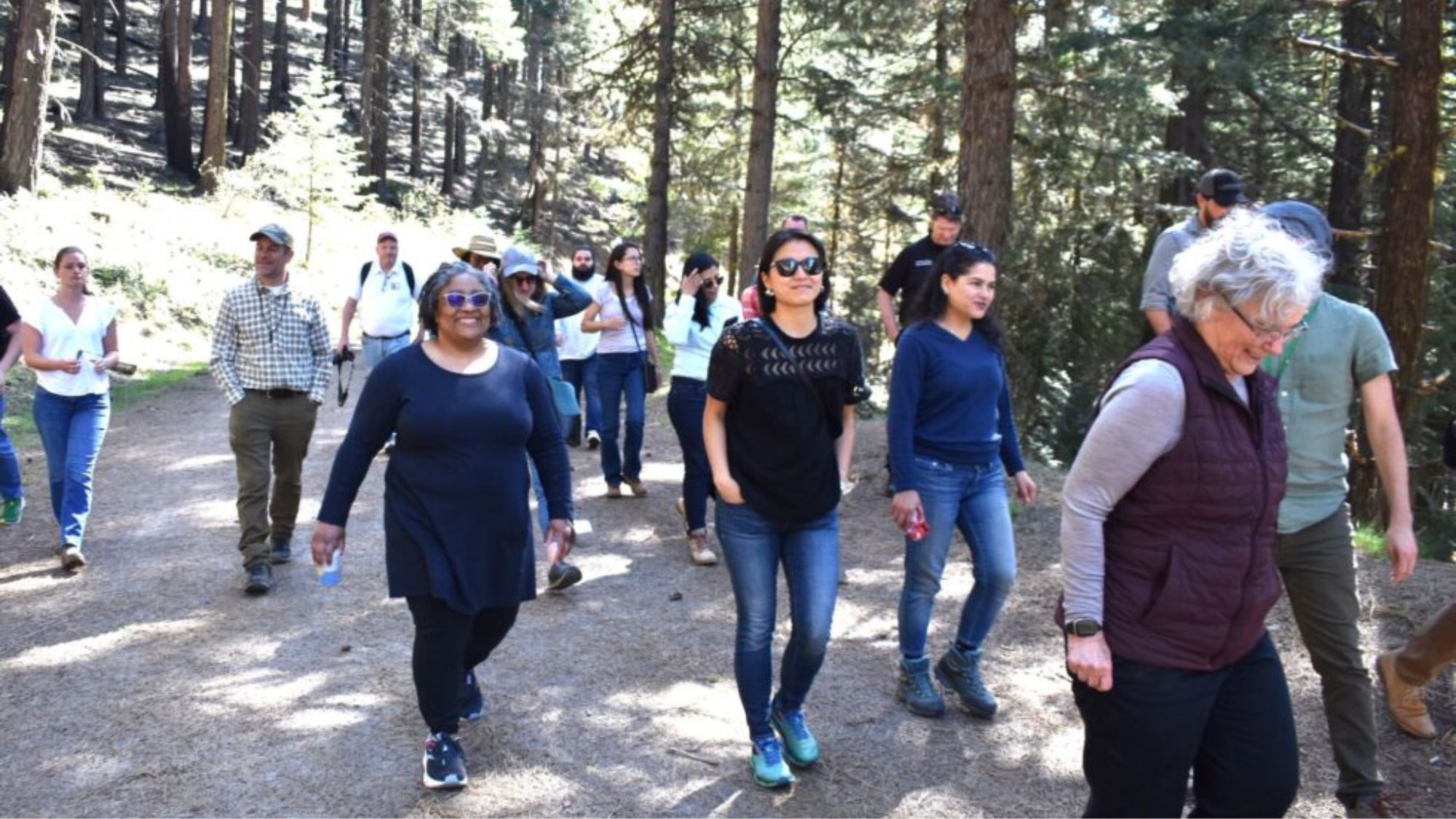
Fellowship Workshop in Medford
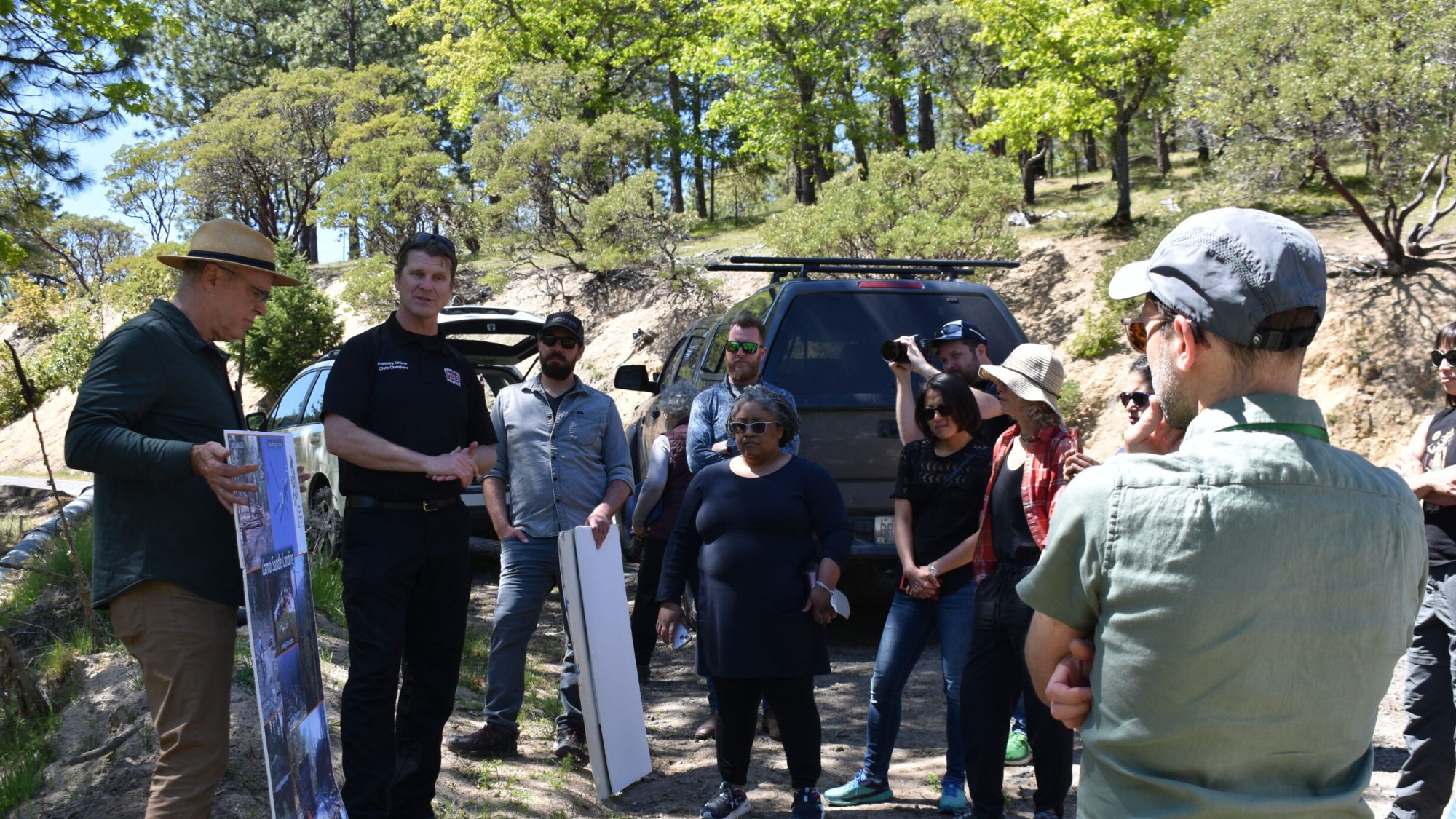
During the program’s first year, our Fellows learned from educational and community leaders about the impacts of wildfires. In their second year, our Fellows will use what they have learned to create engagement plans that position them as leaders in addressing...
Video: Fellowship Program Concludes First Year
In early May 2024, our Fellows gathered for a two-day educational workshop as a conclusion of year one and transition into year two of the program. During the program’s first year, our Fellows learned from educational and community leaders about the impacts of...